Deep work: Meaning, benefits, and 7 ways to focus today



Twice a year, Microsoft co-founder Bill Gates retreats to a cabin in the woods to do nothing but read and think big thoughts. During his self-proclaimed "think weeks," Gates completely isolates himself from the outside world, meaning no email, no phone calls, or internet access. It's just him and a stack of papers from Microsoft employees pitching innovations or investments.
Gates completely removes distractions from his surroundings to prioritize deep work, a state of concentration that maximizes creativity and focus. And clearly it worked, since work done during focused, distraction-free periods leads to significant productivity gains. According to Microsoft's New Future of Work Report 2025, AI and structured work practices deliver substantial gains in individual productivity.
But you don't have to retreat to a woodland cabin to get the full benefits of deep work. This article explores what deep work is, why it matters, and offers seven practical tips to help you build deep work into your daily routine.
How to align goals and OKRs across teams
Learn how to transform your team’s goals into measurable outcomes with powerful OKRs. When teams can understand how their work ladders up to the organization’s overall goals, better results follow.
What is deep work?
Deep work is a state of distraction-free concentration that lets you learn hard things and create quality work quickly. The term was coined by Cal Newport, a computer science professor at Georgetown University and author of "Deep Work: Rules for Focused Success in a Distracted World".
Key characteristics of deep work include:
Distraction-free focus: No email, notifications, or interruptions
Cognitively demanding: Tasks that push your mental abilities
Time-bound sessions: Typically 60–90 minutes of uninterrupted work
High-value output: Work that creates new value or improves skills
Deep vs. "shallow" work
Newport defines shallow work as logistical-style tasks that can be performed while distracted. At Asana, we call this busywork.
Deep work | Shallow work |
Requires full concentration | Can be done while distracted |
Creates new value | Easy to replicate |
Improves skills | Doesn't push cognitive limits |
Examples: writing, coding, strategic planning | Examples: email, scheduling, status updates |
According to our research, 60% of knowledge workers'time is spent on coordination tasks. Reducing shallow work makes space for high-impact tasks that matter most.
Why is deep work important?
The ability to work deeply doesn't just give you an edge in the modern workplace; it also brings satisfaction and meaning to your daily tasks. Here's how deep work can boost your performance and enrich your daily life.
Deep work helps you avoid distractions
Eliminating distractions is a core component of deep work. When you switch between tasks, like checking your phone while drafting a project proposal, a bit of your attention gets stuck on the prior task. This phenomenon is called attention residue.
Research shows that workers spend significant time on communication tools and in meetings, reducing their deep work capacity. A 2026 study analyzing over 500,000 hours of remote work found that only 51% of work time is spent in deep work tools, while 34% is spent in communication tools and 15% in meetings.
Read: 5 multitasking myths debunked, plus 6 ways to be productive without task switchingDeep work rewires your brain
Deep work is the best way to learn new skills quickly. When you concentrate deeply, your brain cements learning pathways and strengthens connections between neurons, enabling them to fire faster. Furthermore, research suggests that this rewiring can occur only when you focus on a single task at a time, avoiding distractions. In other words, when you work deeply.
Read: How to be more productive: 13 tips to practice todayIt increases work quality
When you work deeply, you can learn challenging subjects and produce quality work quickly. These skills set you and your team up for success in the modern workplace.
Learn hard things fast: Learning is a key part of any job, no matter your field. The ability to gain new skills through deep work makes you a valuable asset.
Create quality work at speed: Deep concentration helps you utilize skills to make a positive impact. For example, a project manager could learn how to write a project proposal, then create an in-depth proposal that secures funding.
It's rare
According to our research, 60% of knowledge workers' time is spent on coordination rather than on strategic work. This presents an opportunity for teams that prioritize focus at work.
Even though deep work is rare, it doesn't have to be. There are concrete steps to help your team work deeply:
Streamlining work in a single tool.
Scheduling meetings with intention.
It feels good
Deep work is more than a way to be more productive; it also just feels good. That's because deep work is a type of flow state, a cognitive zone that's intrinsically rewarding.
Neurological research suggests that your perception of the world is shaped by what you pay attention to. If you spend time working deeply, your mind perceives your world as full of meaning and importance.

A deep life is a good life. ”
7 ways to build deep work into your schedule
Your mind is like a muscle, which means you can build your capacity for deep work through practice and consistency. Here are seven rules to help you establish a deep work habit.
1. Choose a deep work philosophy
To work deeply, you need a plan that fits your schedule and preferences. Newport outlines four approaches to scheduling deep work:
Philosophy | Best for | Time commitment |
Rhythmic | Those with predictable schedules | 1–4 hours daily at set times |
Journalistic | Flexible schedules with variable availability | 90+ minutes when available |
Monastic | Those who can minimize all shallow work | Most of the workday |
Bimodal | Those who can dedicate full days periodically | Full days or weeks at a time |
Rhythmic philosophy: Establish a regular habit by blocking 1–4 hour chunks at the same time daily. Most people can't sustain more than four deep work hours per day. Pair this approach with time blocking for the best results.
Journalistic philosophy: Fit deep work wherever you can in your schedule, such as 90-minute gaps between meetings. This approach requires switching into focus mode at will, which can be difficult for beginners.
Monastic philosophy: Eliminate or drastically reduce shallow work across all aspects of your life. Science fiction writer Neal Stephenson uses this approach, avoiding email and speaking engagements to focus on writing.
Bimodal philosophy: Divide your time with long stretches (at least a full day) for deep work and the rest for everything else. At Asana, we encourage No Meeting Wednesday as our version of this approach.
If I organize my life in such a way that I get lots of long, consecutive, uninterrupted time-chunks, I can write novels. But as those chunks get separated and fragmented, my productivity as a novelist drops spectacularly.”
2. Create rituals to increase your focus
Research suggests our brains remember specific associations. When you pair a clean desk with concentration, your mind learns to anticipate focus in that environment. Create rituals that trigger concentration and tell your brain it's time to work deeply.
As you craft your deep work ritual, ask yourself:
Where will you work? Consider the environment you'll create, for example, your office with the door shut and desk cleaned off.
When and how long will you work? For example, 90 minutes first thing in the morning before a coffee break.
How will you work? Determine rules, such as whether you'll use the internet and where you'll put your phone.
How will you support your work? Organize materials in advance, such as reference papers, coffee, or food.
You can also build additional triggers into your routine, like lighting a candle, listening to specific music, or dressing in a certain way.
Read: How to focus: Tips to get things done in a distracted world3. Prioritize your highest-impact work
With focus, prioritization is key. Often, the more you try to do, the less you accomplish. To work deeply, concentrate on the most important task and ignore everything else.
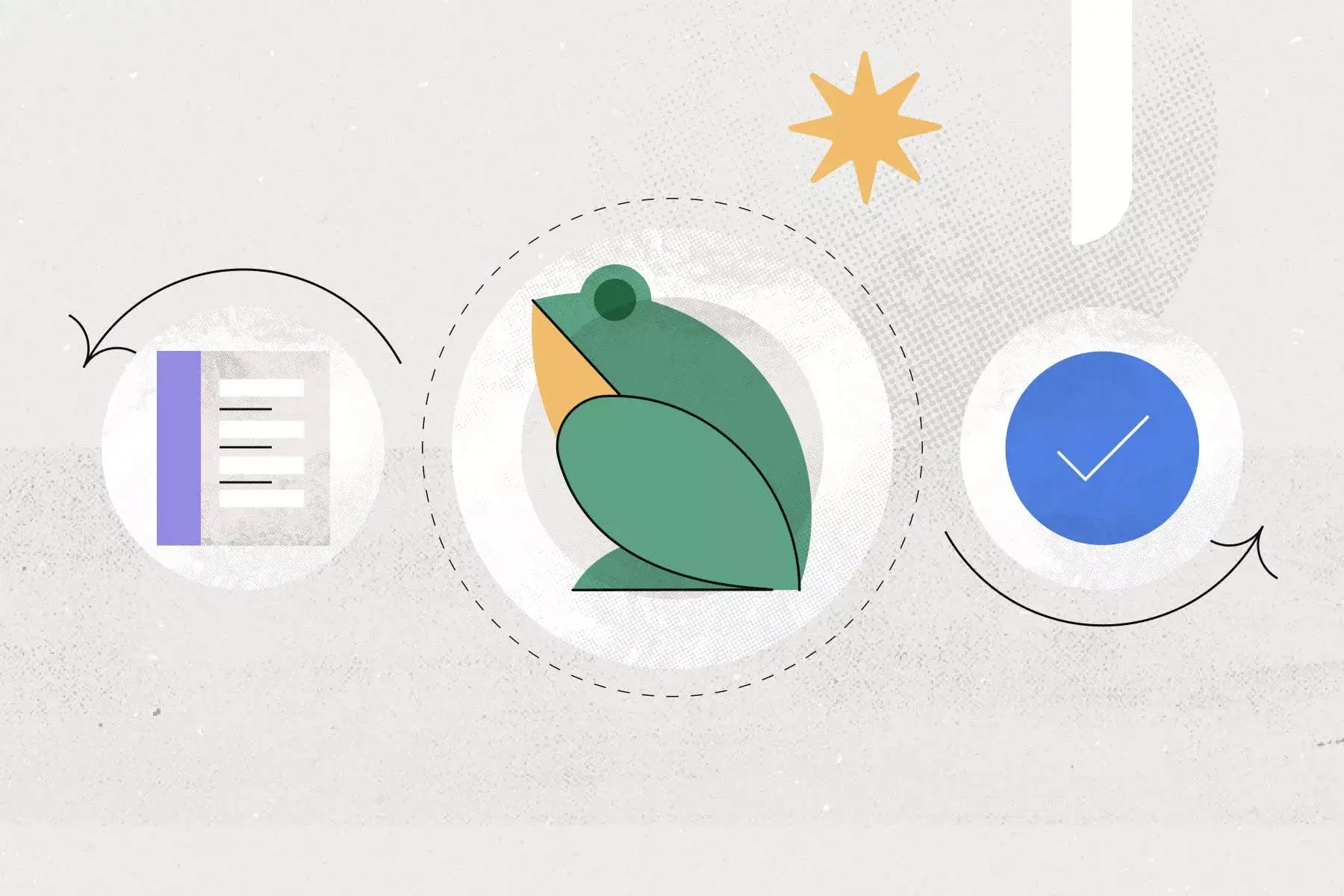
Decide in advance what you'll work on during each deep work session. When you plan ahead, you can avoid multitasking. Try prioritization strategies like the Eisenhower decision matrix, Pareto principle, or eat the frog strategy.
Create clarity with team and business goals. Clear goals guide your decisions and tell you which tasks matter most. Use approaches like the SMART goal methodology or Objectives and Key Results (OKRs).
4. Track where you spend your time
To build more deep work into your routine, you have to make room for it. Effective time management and taking charge of your schedule are critical.
Here are strategies to understand and manage your time:
Audit how you're spending your work time. List every activity or task you engage in, then quantify how much time you spend on deep work vs. shallow work.
Audit your meetings. Rate each meeting's value on a scale of 1–5. Identify which might be better as an asynchronous update.
Schedule your day. Use timeboxing for deep work sessions and time blocking for batching shallow tasks like emails.
5. Reduce digital distractions
Distraction is the arch-nemesis of depth. According to our research:
80% of knowledge workers work with their inbox open
3 in 4 employees feel pressure to multitask daily
But minimizing distractions is still doable with a few simple strategies:
Turn off notifications. Use Do Not Disturb mode or close email and messaging apps completely during focus time. You can check notifications during your next break.
Make depth your default. Instead of wrangling your brain into focus mode, schedule specific times when you allow distractions. Outside those windows, stay focused.
Choose your tools wisely. According to our research, knowledge workers switch between 10 apps 25 times per day. Choose a project management tool that integrates with your business tools to serve as a central source of truth.
6. Schedule time to recharge
Rest is just as important as work. Setting aside time to recharge daily can help prevent burnout and make your deep work habit sustainable.
Newport recommends creating a hard cut-off time for work each day and avoiding work on weekends. Once you're done, you're done: no checking Slack, composing emails in your head, or thinking about meetings.
If disconnecting is difficult, try a "shut-down procedure" at the end of each workday:
Take a final look at your inbox for urgent items
Plan how you'll tackle unfinished tasks tomorrow
Review your schedule for the next day
This 10–20 minute practice provides peace of mind so you can fully disconnect.
7. Track progress towards your goals
Setting clear goals is one of the best ways to stay motivated and sustain your deep work habit. When psychologists tested different motivational techniques, they found goal setting was one of the most effective.
Goals create intrinsic motivation, the drive to succeed that comes from within yourself. Newport suggests creating a scoreboard to record your daily deep work hours.
Set short-term goals to track daily focus hours and long-term goals to build capacity over time. Use the SMART goal methodology or Objectives and Key Results (OKRs) to make objectives measurable.
Make deep work a sustainable practice
Building a deep work habit takes time, and consistency matters more than perfection. Newport's second rule, "embrace boredom," reminds us that concentration is a skill that must be trained.
Start by resisting the urge to check your phone during idle moments, such as when you're waiting in line. These small practices strengthen your concentration over time and make it easier to enter deep work mode.
Deep work capacity grows gradually:
Beginners: Start with about 1 hour of deep work per day
Intermediate: Build to 2–3 hours over several weeks
Advanced: Work up to the 4-hour daily maximum over several months
The key is patience and persistence, avoiding toxic productivity by not pushing yourself too hard, too fast.
Go deep to do your best work
Deep work is one of the best ways to maximize your creative potential, but it's about more than just productivity. Working deeply feels good, and it helps you feel energized and empowered to accomplish challenging tasks each day.
Unlock deep work by reducing the amount of shallow work you and your team do. Asana lets you coordinate work in one place so you can spend less time on busywork and more time on high-impact work. Ready to reclaim your focus? Get started with Asana today.
Boost productivity with Asana