Project integration management: 7-step guide & tools



No two projects are the same in terms of deliverables, budget, and timeline. To ensure all projects meet requirements and objectives, many companies use project integration management as a standard practice, a holistic approach that coordinates all project elements while keeping the big picture in mind.
Read on to learn about this practice in detail, including the seven key steps, core benefits, and skills required to succeed.
See how you can superpower your operations
Transform overwhelm into opportunity when you align your teams, automate tracking, and make data-driven decisions. Do it all with ease and discover your path to operational excellence.
What is project integration management?
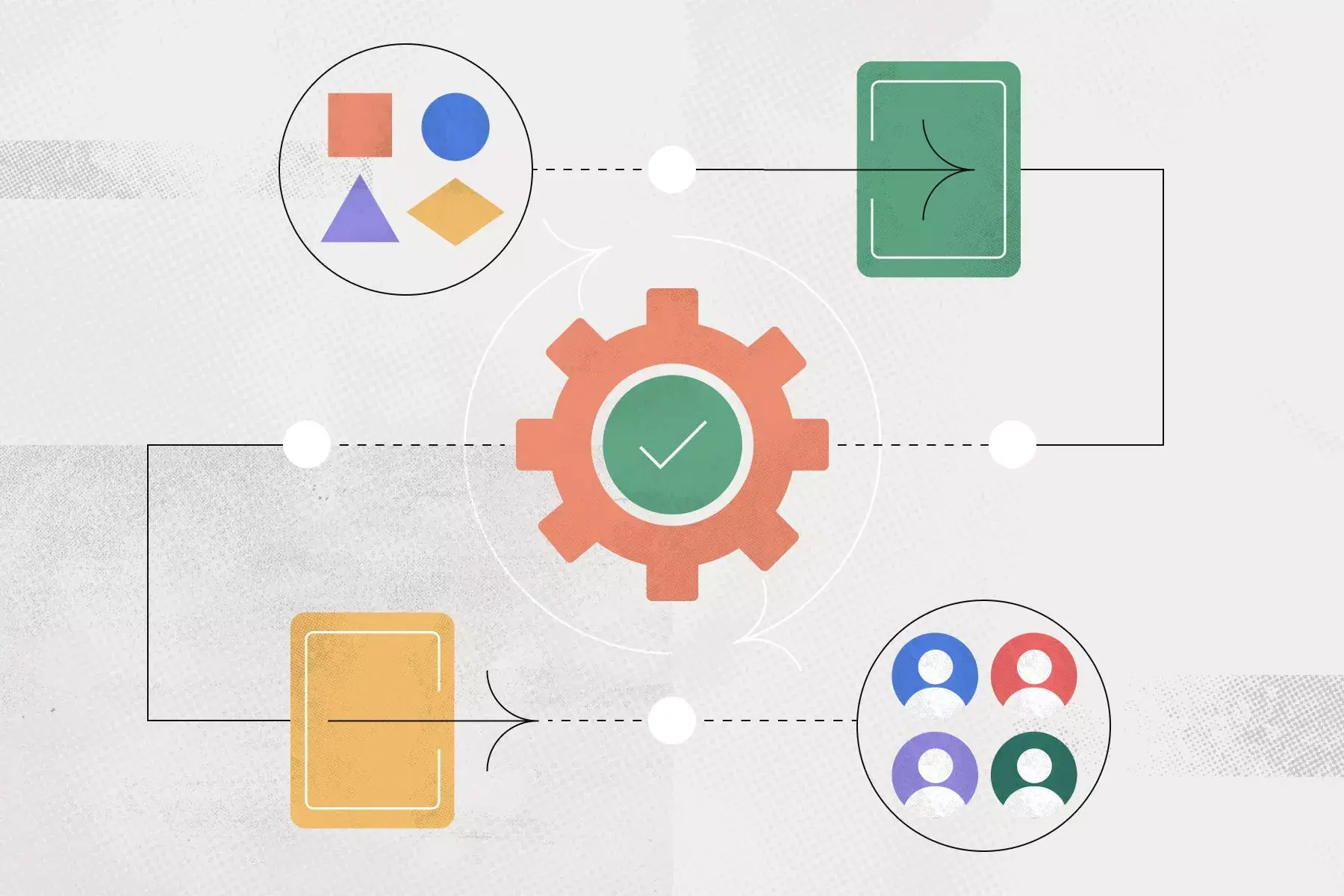
Project integration management is the coordination of all project elements, tasks, resources, stakeholders, and deliverables, to ensure processes run efficiently and meet predefined goals. It's the practice that ties every part of your project together, helping you manage competing priorities and make informed trade-offs throughout the project lifecycle.
![[inline illustration] What is project integration management (infographic)](https://assets.asana.biz/transform/575ff288-f791-411e-84ef-96ad84aed6d1/inline-project-management-project-integration-management-1-2x?io=transform:fill,width:2560&format=webp)
You need project integration management when:
Multiple teams interact: Different departments must coordinate work and hand off deliverables
Objectives compete: You need to make trade-offs between scope, schedule, and budget
Conflicts arise: Scheduling or resource conflicts require resolution to meet stakeholder expectations
Example: Your marketing team needs sales data to produce a stakeholder report. Project integration management ensures a smooth handoff and that the deliverable meets requirements.
Project integration management also involves overseeing the five project management phases throughout the project lifecycle.
These five phases include:
Project initiation: The aim of this phase is to establish the project's vision and goals and secure stakeholder approval through the project objectives. This phase consists of creating the project charter to provide an overview of the project, a clear road map, and the stakeholder register to specify the stakeholders involved.
Project planning: The planning process is where you set up the project infrastructure to help you achieve the project goals within time, budget, and resource constraints. You'll create more detailed project documents to help your team understand the project vision and what's required to deliver it.
Project execution: This is when you'll put your project plan into action and get the project underway. Most of the budget will be spent during this phase to produce the deliverables. It also includes activities such as stakeholder engagement and communications, quality assurance, and team development.
Project performance: This phase involves supervising project progress and comparing it with the original plan. It means taking corrective action when there are blockers or delays.
Project closure: This is where you formally close out the project by getting approval from the client or stakeholder. Records and lessons learned from the project should be archived for future reference.
As one of the key knowledge areas in the PMI's PMBOK® Guide (Project Management Book of Knowledge), mastering this practice allows project managers to improve their processes.
The 7 steps of project integration management
Project integration management offers a holistic approach to planning and executing projects. The practice comprises seven processes for effectively coordinating project activities. Let's break them down.
Try Asana for project management1. Create project charter
Projects typically start out with the creation of a project charter, a short document that provides an overview of the project and identifies the project manager and key stakeholders.
A project charter includes the following:
Scope
Objectives and deliverables
Project team members
Benefits or returns on investment
Budget
A project charter essentially acts as a foundation on which you can further plan your project. It also helps you gain buy-in from stakeholders, which enables you to move forward quickly and autonomously within the project scope.
Read: 7 common causes of scope creep, and how to avoid them2. Develop project management plan
The next step is to develop a more detailed project plan that specifies the project scope statement, deliverables, timeline, milestones, and metrics for evaluating success. The project plan guides the execution of the project to meet overall requirements and objectives.
Here are the steps to creating a project management methodology:
Meet with stakeholders to set project requirements, deliverables, and objectives.
Define the project scope.
Create a work breakdown structure (WBS) to delegate tasks and assign resources.
Create a project schedule.
Conduct a risk assessment and develop contingency plans.
Establish a performance measurement baseline to assess project performance.
Develop additional plans for any of the following: scope management, cost management, resource management, change management, stakeholder management, and risk management.
To help you with this process, you can use a project planning template as a starting point to build your plan.
3. Direct and manage project work
The next phase is project execution, in which the project manager takes charge of the day-to-day work that must be done, such as:
Directing the project team
Holding stakeholder meetings
Tracking project progress
This phase ensures that tasks are carried out effectively in accordance with the project plan and scope statement.
4. Manage project knowledge
Project knowledge management refers to the process of using existing information or obtaining additional knowledge to reach project goals. This step ensures team members have all the information they need to produce the required deliverables.
Any knowledge or expertise gained during this step contributes to the company's overall body of knowledge, which is useful for future strategic planning and endeavors.
5. Monitor and control project work
Since processes in project integration management are interconnected, they should be followed closely to ensure everything adheres to the project management plan. If there are any deviations, they need to be identified and corrected using one of three approaches:
Preventive action: Reduces the negative impact of project risks before they occur
Corrective action: Brings future project performance back in line with the project plan
Defect repair: Fixes or replaces a documented project defect
A common technique to measure performance is earned-value analysis, which assesses the current status of the project's budget and schedule. If approved changes are needed, project documents such as the work performance report should be updated.
Read: How to write an effective project objective, with examples6. Perform integrated change control
Changes to projects can be stressful if not handled properly, but with a change control process in place, they don't have to be. Change requests must be assessed to ensure they don't lead to scope creep, the gradual increase in requirements during the project lifecycle.
A change control log should document:
All submitted change requests and their approval status
Associated costs and resource requirements
Impact on the project timeline and deliverables
Some companies establish a dedicated change control board to review requests related to budget, timelines, and resources. The smooth integration of approved changes into current project activities is crucial to overall project success.
Read: What is change management? 6 steps to build a successful change management process7. Close out the project
After all project work is complete and deliverables are shipped and approved by the client, it's time to close the project.
Project closure involves processes such as:
Holding a final stakeholder meeting
Conducting a formal review of the project
Closing the contract
Organizing and archiving project materials for future use
Project closure serves as a reference for future endeavors and provides insight into how to improve the project integration management system.
The importance of project integration management
Projects are often complex, involving multiple teams and organizational processes. To ensure all elements work cohesively toward your end goal, project integration management is essential.
Provides coordination and organization throughout the entire project
Project integration management is like an instruction manual you can use to help steer the project in the right direction and ensure all processes are in sync. As the project moves from phase to phase, it ensures the outputs and documents are in order for the next phase to go smoothly.
Read: 5 project management phases to improve your team’s workflowEnsures everyone understands their responsibilities
With project integration management, all stakeholders and team members will have a clear understanding of their roles and responsibilities. By monitoring the project diligently, you'll be able to address questions from teams or stakeholders if there are any points of confusion or issues.
Keeps project on track
Project integration management keeps projects on track to meet deadlines and budgets. It also keeps the project aligned with the project management plan to deliver the promised results or returns. Project integration management helps you resolve conflicts or changes while minimizing the impact on the overall project.
Maintains smooth communication with stakeholders
Integrated project management ensures stakeholders are kept up to date on project progress. It allows you to create a system for communicating with stakeholders regarding project changes, whether they're approved or not. It also emphasizes the importance of holding a final meeting after the project is completed to get closure.
Read: How to write an effective project status reportMakes decisions more clear
Each step in project integration management has defined purposes and outputs. By walking through all the steps, you'll gain deeper insight into the best course of action for each project phase. Creating thorough project documentation will also allow you to clearly communicate the reasoning behind the plans.
Overall, project integration management benefits everyone involved in the project, including the project team, project manager, and stakeholders.
How to implement project integration management
Performing project integration management requires a combination of technical and leadership skills. Here are some tips to help you get started with project integration management.
Try Asana for project managementHave a project manager oversee integrated project management
Projects have many moving parts to track, and a project manager plays an important role in resolving conflicts. A project manager oversees:
Project schedule
Costs
Risks
Project goals
Resources
Project managers need a thorough understanding of how each factor affects the others and the project's overall impact. Integrated project management specifically involves a process, phases, and outputs that the project manager tracks.
![[inline illustration] Have a project manager oversee integrated project management (infographic)](https://assets.asana.biz/transform/b4088caf-682c-430d-b72f-3c6fdbf1ca2f/inline-project-management-project-integration-management-3-2x?io=transform:fill,width:2560&format=webp)
For instance, if a project undergoes a scope change, you may face resource shortages, budget overruns, and delays. Project integration management allows you to reorganize teams and redistribute resources as required to minimize impact to the project and business.
Project integration management can be especially helpful when you have to manage cross-functional teams and organize their project interdependencies.
Read: 25 essential project management skills you need to succeedTrack time diligently
If you don't already, implementing time-tracking software could be beneficial, not only for billing purposes but also for future project scheduling. While team calendars provide a high-level overview of how time will be allotted, tracking the number of hours spent on tasks gives you more precise metrics.
Having this data on hand will be useful for scheduling future projects, as it'll help you make more accurate estimates when planning specific tasks.
Establish well-rounded project teams
A good project team can make all the difference in project performance. It's your job to put together a balanced project team and assign tasks that match team members' skills and expertise. Ensure everyone has the resources they need and coordinate communication among the teams involved.
Use project templates to save time
Creating project plans and materials can be time-consuming, especially given the number required for a single project. Rather than making them from scratch, use project templates, whether from previous projects or premade ones.
For example, project plan templates or meeting agenda templates can be tailored for various purposes. Templates provide a base you can customize to suit your needs.
![[Product UI] Brand campaign project plan in Asana, spreadsheet-style list (Lists)](https://assets.asana.biz/transform/f8cc1f69-97b6-4806-9471-b27453e459a9/inline-generic-list-2x?io=transform:fill,width:2560&format=webp)
Collaborate with a team communication tool
Each department has its own communication style and tools, and projects often require collaboration across departments.
To prevent miscommunication or a lack of communication between teams, use a communication plan to establish which channels teams should use to share knowledge, resources, and project status updates. That way, teams can directly communicate with one another, and you don't have to act as the intermediary.
For example, team communication tools allow you to create a centralized hub for projects, enabling real-time communication and feedback. Team communication tools can also complement the tools you already use since they can integrate with popular remote work tools like Google Drive and Slack.
Tools and techniques for project integration management
Successful project integration management relies on the right tools and techniques. Here's how each supports your integration efforts:
Tool/Technique | Purpose | Best Used For |
Project management software | Centralized platform for tracking tasks, timelines, and dependencies | All project phases |
Gantt charts | Visualize timelines and task dependencies | Planning phase, schedule management |
Kanban boards | Visual representation of work in progress | Direct and manage project work |
Project dashboards | Real-time visibility into status and metrics | Monitoring and controlling |
Change control logs | Document change requests and their impact | Integrated change control |
Work breakdown structure (WBS) | Break complex projects into manageable components | Planning and task assignment |
Deliver results with project integration management
Project integration management brings together all your project processes and tasks. With Asana's project management software, you have a single source of truth for planning and organizing projects from start to finish. Get started and see how connecting all your project elements in one place can help your team deliver better results.
To boost project success rates, determine whether project management software is right for your team.
Try Asana for project management