Transition plan
Work doesn’t stop when someone leaves your team. Asana's transition plan template keeps things moving when team members change roles.
Create your templateSign up to create your own template.
INTEGRATED FEATURES
Recommended apps


When a team member departs or changes roles, the team needs to quickly transfer work. Without a plan, teams overlook details and slow down during the handover. A transition plan template helps teams document responsibilities and facilitate knowledge transfer, so a new person can step in without starting from scratch.
![[product ui] Transition plan project in Asana, spreadsheet-style project view (List)](https://assets.asana.biz/transform/bc657b14-cb83-45ab-85fc-10159ed0575f/TG23-web-hero-018-transitionplan-static-2x?io=transform:fill,width:2560&format=webp)
What is a transition plan?
A transition plan is a framework for organizing and transferring knowledge when team members move on from a role. It helps maintain continuity by ensuring that no information is lost and that teams can continue to deliver projects on time. A transition plan should be part of your larger employee offboarding program to ensure departing team members tie up all loose ends and part ways on good terms. For example, the transition plan for an IT employee could include a list of core responsibilities, passwords for key systems, and outstanding deliverables for upcoming projects.
What is a transition plan template?
A transition plan template is a reusable guide that lets you quickly set up a transition plan whenever a team member changes jobs. Instead of creating a new plan each time, your transition document template provides a blueprint for the information and responsibilities that team members need to transfer before leaving. That means they’re less likely to forget key details, and your team gets a standardized set of information.
Why do businesses need an employee transition plan template?
Businesses need an employee transition plan to manage organizational changes without disrupting day-to-day work. When someone leaves or a role changes, teams can lose visibility into current projects, which slows progress and increases potential risks during the transition period. A transition plan document helps managers define the type of transition, outline employee roles and responsibilities, and document key workflows before knowledge is lost. Without a transition action plan, handovers become more time-consuming and make it harder to adapt the onboarding process for whoever steps into the role next.
When you create a transition plan template in a project management tool instead of a static document, you can:
Protect current projects by documenting ownership and priorities before responsibilities change.
Navigate organizational changes by setting expectations for each transition type.
Reduce potential risks that often surface during the transition period.
Capture employee roles, responsibilities, and their workflows.
Define a communication plan so teams know what to share, when to share it, and who needs to be informed during the transition.
What does a transition plan template include?
A transition plan template includes the information a team needs to take over work without guessing or retracing steps. It captures responsibilities, timelines, and context so ownership changes hands smoothly. Teams use the plan to document what matters most before someone leaves or changes roles.
A typical transition plan includes:
A summary of the role and its core responsibilities.
A list of active work, priorities, and upcoming deadlines.
Key contacts, tools, and systems the role relies on.
Handover notes that explain processes, decisions, and known issues.
Next steps and follow-up tasks for the person taking over.
Together, these elements give teams a practical reference they can use before, during, and after the transition.
Integrated planning features
List View displays tasks, owners, and due dates in a single grid, so teams can see what’s happening and when. Teams can scan task titles, custom fields, and the description of the project to understand context without switching views.
Custom fields tag and sort items by details such as priority, status, or a phone number, making it easier to organize tasks and focus on what needs attention next.
Subtasks break large tasks into smaller steps when work involves multiple contributors, approvals, or stakeholders, while keeping everything tied to the main task for easier review and follow-up.
Add tasks to multiple projects to track cross-team work in one place, reduce duplicate effort, and make ownership and follow-up visible across departments.
Reporting dashboards provide teams with a visual overview of progress, blockers, and follow-up items, enabling managers to review work and make decisions in one place.
Recommended apps
Gmail. Create tasks directly from your inbox and keep email context attached, or search for existing Asana tasks without leaving Gmail.
Outlook. Turn emails into tasks, then assign owners, set due dates, and connect work to the right project.
Google Workplace. Attach files directly to tasks in Asana using the Google Workplace file chooser, built into the Asana task pane. Easily attach any My Drive file with just a few clicks.
Dropbox. Attach files directly to tasks in Asana using the Dropbox file chooser, built into the Asana task pane.
FAQs about transition plans
What are the 5 parts of a transition plan?
What type of information should team members include in their transition plan?
How do I create a transition plan template?
What types of transition plan templates can I use in Asana?
Who should I share transition plans with?
How detailed should a transition plan be?
Related templates
![[Templates] Candidate tracking (card image)](https://assets.asana.biz/transform/70ec5311-0378-430f-9be6-f7023a8070c6/inline-board-view-hiring-pipeline-2x?io=transform:fill,width:2560&format=webp)
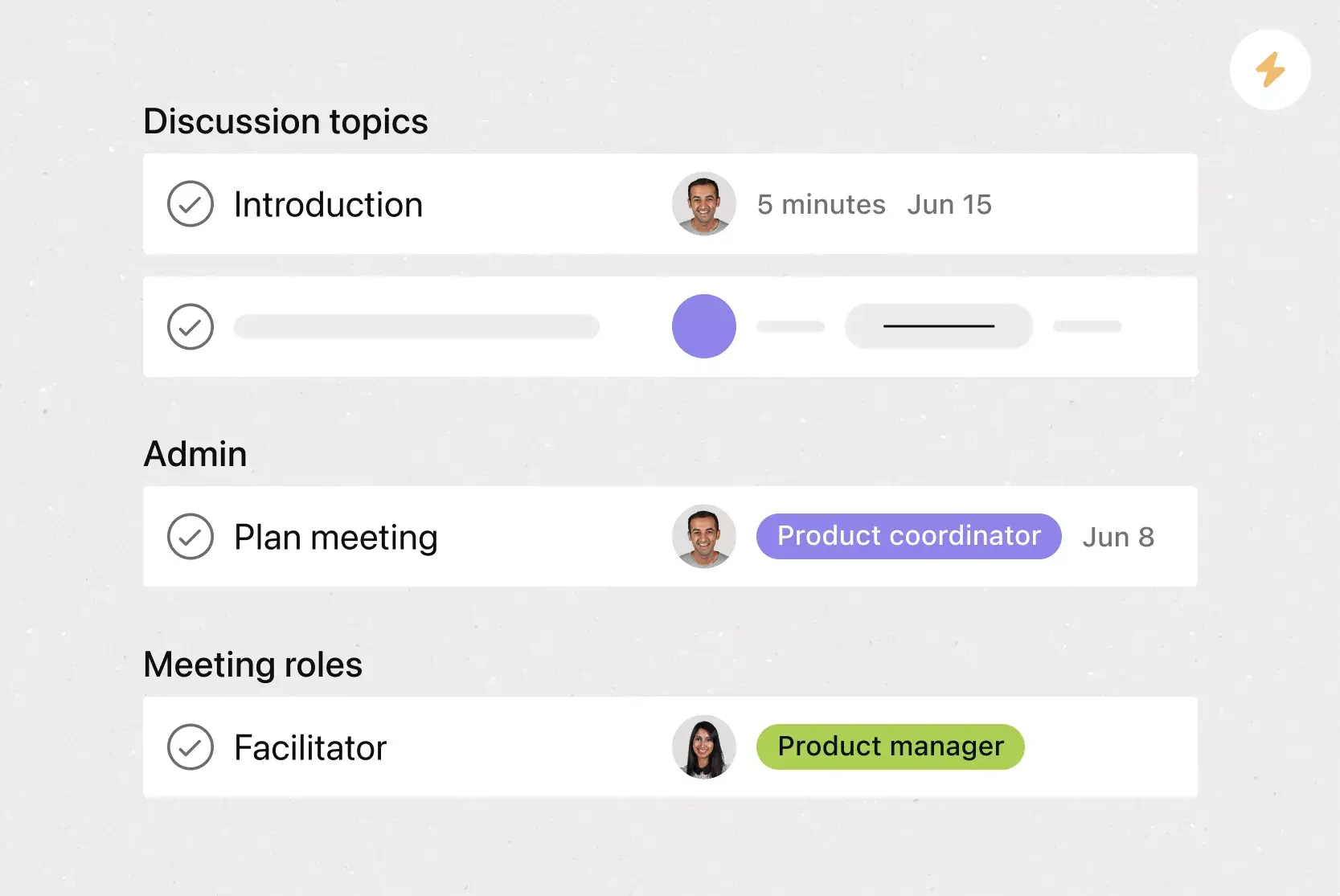
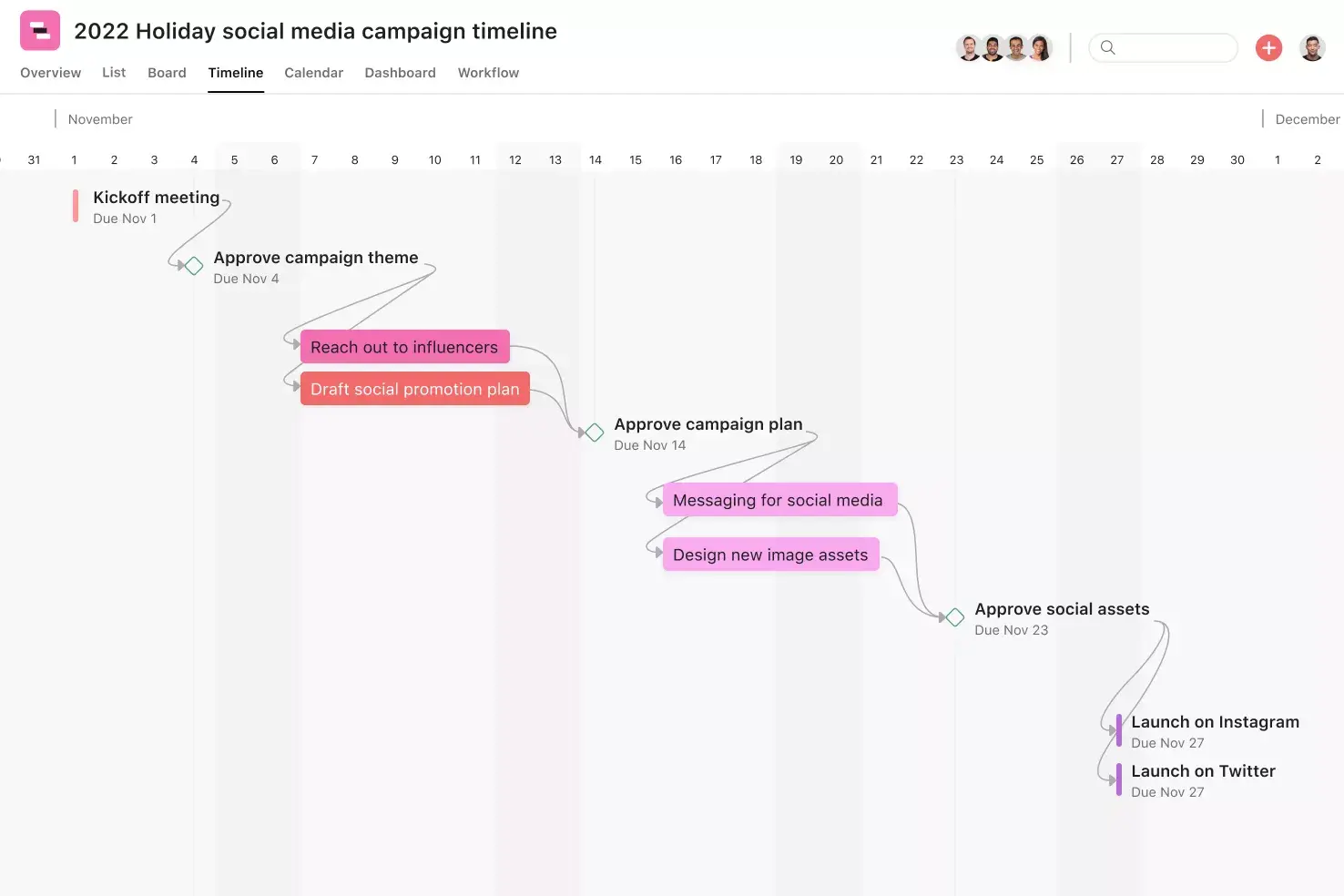
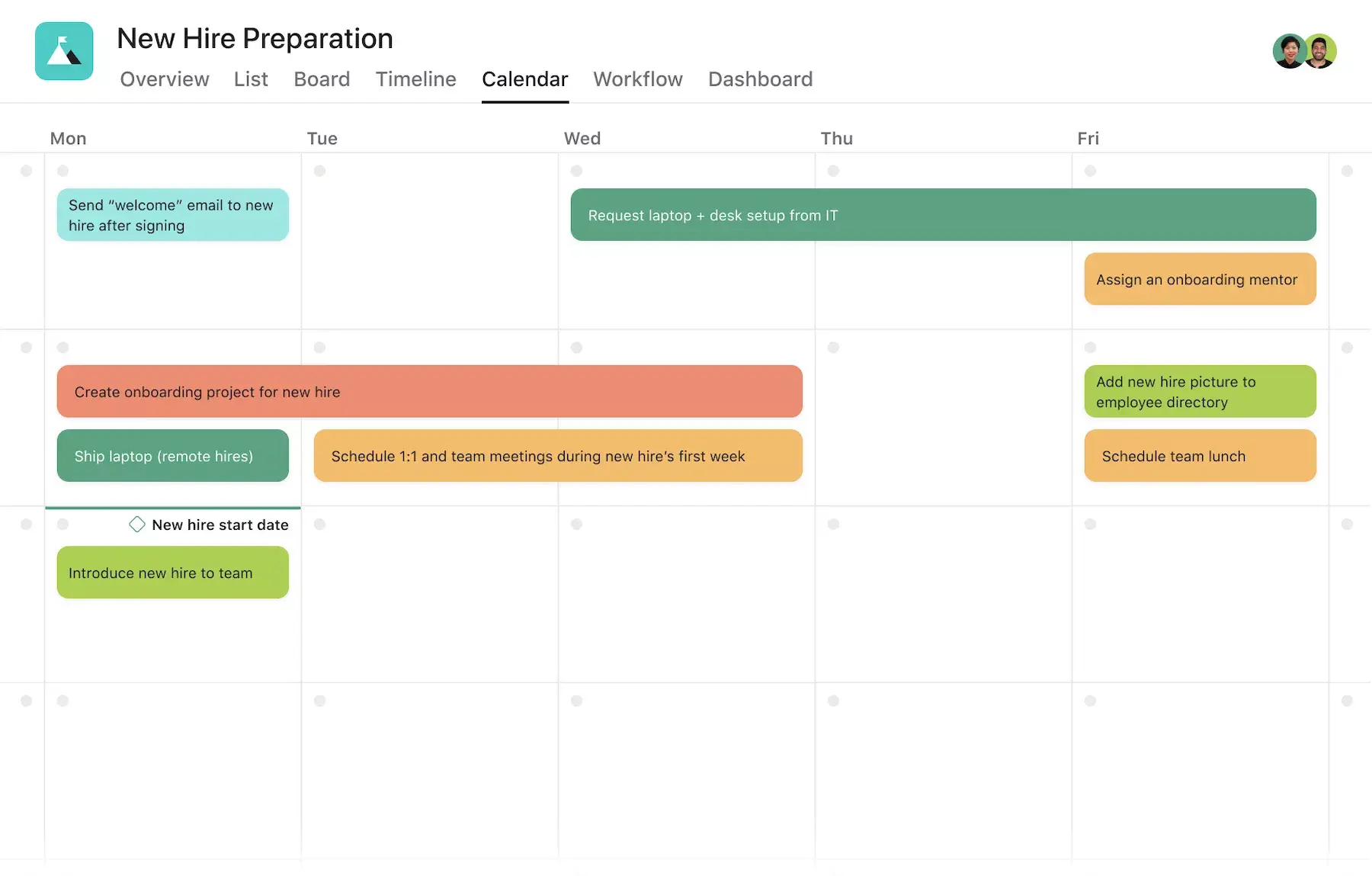
Create templates with Asana
Learn how to create a customizable template in Asana. Get started today.